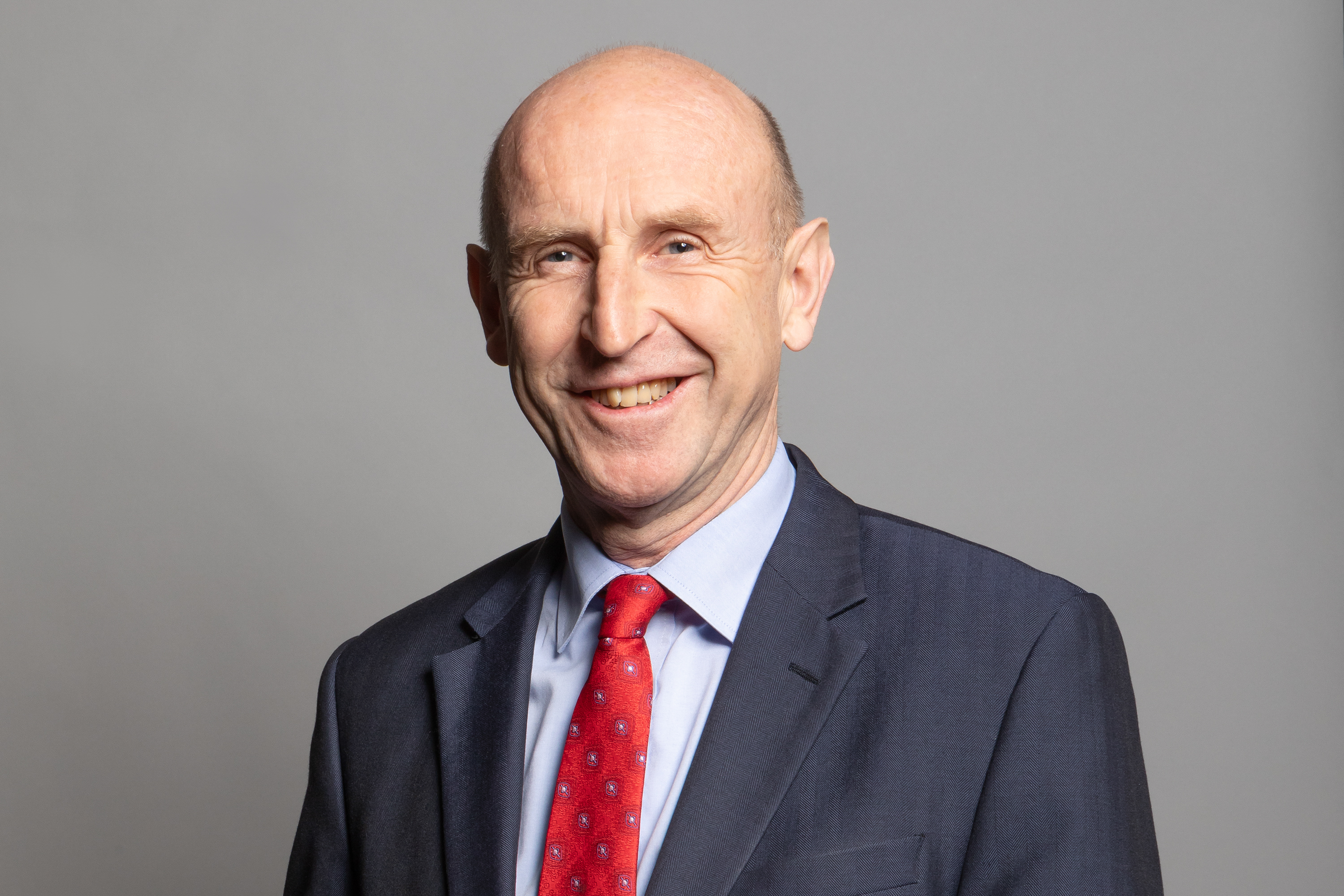

Chancellor John Healey has delivered the Autumn Budget and has unveiled a number of significant Budget measures. Read on to see the key changes and what they could mean for you.
National Living Wage / Minimum Wage
The National Minimum Wage (NMW) rates for workers aged 16-20, along with the National Living Wage for those aged 21 and over, will increase from April 2027.
What do the announced changes mean?
The 3.9% increases will take place from April 2027 and the table below outlines the changes.
New rates
| NMW Rate 1st April 2026 | NMW Rate starting 1st April 2027 | Increase (£) | Percentage Increase (%) | |
|---|---|---|---|---|
| National Living Wage (21 and over) | £12.71 | £13.20 | £0.49 | 3.9% |
| 18-20 Year Old Rate | £10.85 | £11.27 | £0.42 | 3.9% |
| 16-17 Year Old Rate | £8.00 | £8.31 | £0.31 | 3.9% |
| Apprentice Rate | £8.00 | £8.31 | £0.31 | 3.9% |
Energy Bills and Cost of Living
Standing charges on gas bills are to be scrapped. This means households will no longer pay a daily fee for their gas supply regardless of usage. Standing charges on electricity are also due to be removed, although no timing was given on this.
b
For those in Council Tax bands A-D a £100 payment will be made directly into their bank account.
b
These changes will come into effect from April 2027.
The reduction on VAT on electricity will also be extended to July 2027.
What do the announced changes mean?
Standing charge costs will be paid on the unit rate of gas instead so you will essentially pay for what you use. The government estimates that 60% of households will save an average of £45 per year.
With energy costs remaining a concern for many households, any support in this area could have a meaningful impact on household spend.
Fuel Duty
The 5p Fuel Duty cut previously announced will continue until July 2027.
Changes in ISAs
The £20,000 annual cash ISA allowance is coming back!
What do the announced changes mean?
In the previous budget the amount of money you could save in a cash ISA was to be dropped from £20,000 a year to £12,000 a year to try and encourage people to invest in stocks and shares.
The reversal means the £20,000 annual cash ISA will remain in place.
Property, Dividends and Savings Tax
The tax on both property and savings will go up, although dividend tax will remain unchanged.
What do the announced changes mean?
From April 2027, tax for both savings and property income will rise to 24pc for basic-rate taxpayers, 44pc for higher-rate taxpayers and 49pc for those paying the additional rate.
Summary
A number of significant changes were announced in today’s budget.
The rise in the National Minimum Wage is welcome news for millions of workers, with higher pay set to take effect from April 2027. Standing charges for gas were also removed and a £100 energy payment is being made to those in Council Tax bands A-D.
Beyond this, the Budget includes a number of significant changes that will be felt across the economy. Whether you are better or worse off overall will depend on your individual circumstances and which of the measures affect you most.
Remember, CreditLadder can help you improve your credit score.
CreditLadder can improve your credit position by reporting your rent payments. CreditLadder is the first way to improve your credit score and position across all three of the main Credit Reference Agencies in the UK, namely Experian, Equifax and TransUnion. Building up a high credit score has a lot of benefits, including helping you access finance at better rates - this can also help save you money. CreditLadder also runs a free mortgage application service in partnership with Tembo which will tell you how much you could borrow.
Remember the content provided in this article is for information purposes only and should not be considered as advice.